
Japanese pet dryer aesthetics transcend mere practicality; they embody a philosophy of mindful design, blending functionality with a profound appreciation for artistry and tradition. This aesthetic draws inspiration from centuries-old Japanese design principles, emphasizing natural materials, meticulous craftsmanship, and harmonious integration with the surrounding environment. Beyond the practical drying function, these dryers become evocative pieces, adding a touch of tranquility and sophistication to any space.
The careful consideration of materials, colors, and patterns reveals a deep understanding of Japanese aesthetics, with a focus on creating a soothing and enriching experience for both the pet and the owner. From the subtle nuances of color palettes to the intricate patterns, each element contributes to the overall harmony and tranquility that defines the aesthetic.
Defining the Aesthetic
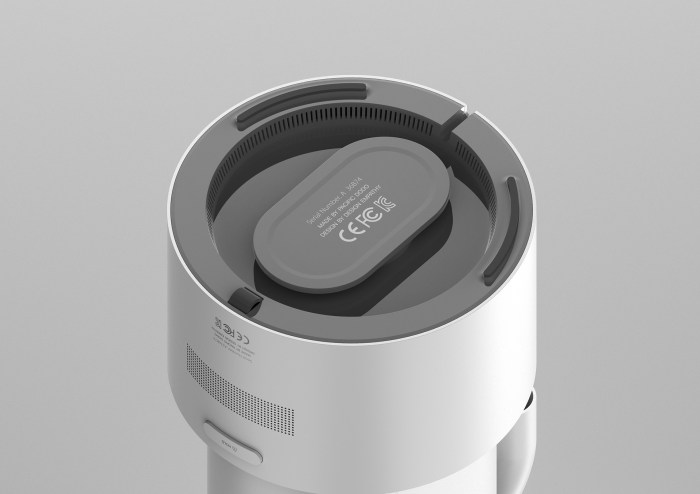
The “Japanese pet dryer aesthetic” encapsulates a sophisticated blend of minimalist design principles, traditional Japanese aesthetics, and modern functionality, specifically tailored for pet grooming. This style prioritizes clean lines, natural materials, and subtle color palettes, creating a harmonious environment for both pet and owner. It reflects a deep appreciation for the pet as a valued member of the family.
Visual Characteristics
The visual characteristics of this aesthetic are deeply rooted in Japanese design principles, such as 侘び寂び (wabi-sabi), which embraces imperfection, natural beauty, and the transient nature of life. This translates to a preference for muted tones, natural materials like bamboo and wood, and simple, elegant forms. Visual symmetry and balance are also crucial elements, often achieved through meticulously crafted details.
The aesthetic aims to create a sense of calm and serenity, even during the potentially hectic grooming process.
Cultural and Historical Influences
Japanese design history, particularly the influence of Zen Buddhism and traditional crafts, profoundly impacts this aesthetic. The emphasis on simplicity, natural materials, and mindful design is central to Japanese aesthetics, influencing everything from architecture to everyday objects. The concept of harmony between humans and nature is also a key factor, demonstrated through the careful integration of the pet dryer into the surrounding environment.
This historical backdrop underpins the aesthetic’s inherent elegance and functionality.
Colors, Patterns, and Textures
This aesthetic favors muted and natural color palettes. Earthy tones like beige, cream, light browns, and deep greens are frequently employed. Subtle patterns, such as delicate floral motifs or minimalist geometric designs, might subtly appear on the dryer’s exterior. Natural textures like woven bamboo or brushed wood are often incorporated, enhancing the overall organic and calming atmosphere.
Types of Japanese Pet Dryers
| Type | Key Features | Aesthetic Elements |
|---|---|---|
| Bamboo-Frame Dryer | Constructed primarily from sustainable bamboo, featuring a sleek, minimalist design. | Emphasizes natural materials, wabi-sabi principles, and organic forms. |
| Wood-Panel Dryer | Crafted with polished wood panels, often featuring subtle inlays or carvings. | Highlights the beauty of natural wood, showcasing traditional Japanese craftsmanship. |
| Minimalist Dryer | Characterized by clean lines, simple shapes, and a focus on functionality. | Emphasizes modern Japanese design principles, prioritizing efficiency and simplicity. |
| Integrated Dryer | Designed to seamlessly integrate into a grooming station or pet care area. | Focuses on harmony with the surrounding environment, creating a calm and functional space. |
The table above Artikels various types of pet dryers that embody the Japanese aesthetic. Each design prioritizes specific elements, such as natural materials, minimalist shapes, or integrated functionality. These features combine to create a visually appealing and practical grooming experience for both pet and owner.
Materiality and Craftsmanship
Japanese pet dryers, reflecting a deep-rooted aesthetic, often prioritize quality materials and meticulous craftsmanship. This approach is not merely functional; it’s a testament to the enduring respect for detail and the inherent beauty of the process itself. The materials chosen, and the methods employed, contribute significantly to the overall experience and longevity of the product.The aesthetic demands a harmonious blend of practicality and artistry, translating into a focus on durability, visual appeal, and a sense of enduring quality.
This commitment to meticulous craftsmanship often extends beyond the finished product, encompassing the entire design process, from initial material selection to the final assembly. The design philosophy emphasizes the inherent beauty of the materials and processes used.
Common Materials
Japanese design traditions often favor natural materials, seeking a connection to the environment. This is evident in the choice of wood, bamboo, or ceramic, all of which possess inherent beauty and resilience. Furthermore, high-quality plastics and metals are sometimes used in strategic locations for optimal performance.
Manufacturing Techniques
The construction of these dryers often involves traditional Japanese woodworking techniques. For instance, joinery methods are frequently used to ensure structural integrity and visual appeal. Expert artisans carefully select and prepare the wood, applying age-old techniques to shape and finish it. The selection of wood often depends on factors like strength, moisture resistance, and aesthetic harmony with the overall design.
Additionally, the use of metal components, such as hinges and brackets, might involve precision machining and welding, highlighting the dedication to quality.
Craftsmanship and Attention to Detail
The level of craftsmanship is typically high, demanding precision and skill at every stage of the process. From the meticulous shaping of wood components to the precise alignment of metal parts, every detail reflects a commitment to excellence. This commitment often extends to the finishing touches, ensuring a smooth and aesthetically pleasing surface. This dedication to detail is a cornerstone of the aesthetic, imbuing the dryer with a sense of permanence and refined beauty.
For example, the careful selection and application of natural finishes on wooden components enhance the overall aesthetic appeal while protecting the wood from damage.
Natural Materials and Sustainability
The use of natural materials, like bamboo and wood, often aligns with sustainable practices. Many manufacturers prioritize sourcing materials from responsibly managed forests and employing environmentally friendly finishing techniques. Furthermore, the selection of recycled or reclaimed materials in some instances adds another layer of environmental responsibility, reflecting the deep respect for resources and nature. This commitment to sustainability often extends to the energy efficiency of the dryers themselves, which can further reduce their environmental impact.
Durability and Longevity
Design considerations for durability often involve robust construction techniques and high-quality materials. For example, reinforced joints and strong fasteners ensure long-term stability and resistance to wear and tear. The dryers are meticulously designed to withstand frequent use and exposure to moisture and heat, maximizing their lifespan and reducing the need for replacements. Careful consideration is given to the specific needs of the user, including the size and weight of the pet, and the design incorporates elements that enhance ease of use and longevity.
The selection of high-quality, weather-resistant materials, such as waterproof lacquers on wooden components, enhances the durability and longevity of the pet dryer.
Spatial Considerations
The Japanese pet dryer aesthetic, rooted in minimalism and functionality, demands careful consideration of its spatial integration. It’s not simply about placing a device; it’s about creating a harmonious environment that complements the dryer’s refined design and enhances the overall well-being of both pet and owner. This approach extends beyond the dryer itself, influencing the surrounding area and overall home design.The design philosophy draws heavily from Japanese interior design principles, emphasizing natural light, open spaces, and a connection with nature.
This ethos translates directly into the dryer’s placement and the surrounding environment, creating a soothing and calming atmosphere.
Placement and Integration
The strategic placement of the pet dryer is crucial for a seamless aesthetic integration. The dryer should be situated in a location that allows for easy access and convenient use, while simultaneously complementing the overall room design. This consideration often means utilizing space-saving designs and integrating the dryer into existing cabinetry or shelving units, maximizing efficiency and minimizing visual clutter.
Consideration should be given to the dryer’s size and shape when choosing a placement. Larger models may require more space compared to smaller, compact designs.
Surrounding Environment
The surrounding environment plays a significant role in enhancing the pet dryer’s aesthetic. Natural elements like bamboo, wood, and stone are often incorporated into the surrounding decor to create a tranquil ambiance. Warm lighting, often soft and diffused, further enhances the calm and serene atmosphere. The use of neutral color palettes, such as beige, cream, or light wood tones, maintains a sense of calm and elegance, ensuring the dryer blends seamlessly with the existing environment.
Avoid overwhelming colors or patterns that detract from the dryer’s sophisticated design.
Complementing Home Settings
The Japanese pet dryer aesthetic is adaptable to various home settings. For instance, a minimalist apartment can utilize the dryer’s sleek design to enhance the space’s clean lines. In a larger home with open-plan living areas, the dryer can serve as a focal point, subtly adding a touch of Japanese artistry. A home office or dedicated grooming space can benefit from the dryer’s aesthetic, creating a calming atmosphere to enhance both human and animal well-being.
Room Layouts and Furniture Arrangements
| Room Type | Layout Example | Furniture Arrangement | Aesthetic Integration |
|---|---|---|---|
| Modern Apartment | Open-plan living area with a dedicated grooming corner | Floating shelves, a low-profile console table, and a sleek sofa with neutral upholstery | The dryer is integrated into a custom-built cabinet, blending seamlessly with the minimalist design. |
| Traditional Home | Dedicated grooming room with an exposed wooden beam ceiling | Tatami mats, low-profile furniture, and a traditional Japanese screen | The dryer, with its minimalist design, is subtly placed within a designated corner, enhancing the room’s overall aesthetic. |
| Home Office | Small office with natural light | A minimalist desk, a comfortable chair, and a few plants | The dryer is integrated into a built-in unit near a window, allowing natural light to highlight its sleek design. |
The integration of the pet dryer into these diverse settings showcases its adaptability and versatility. By carefully considering the spatial implications and incorporating Japanese interior design principles, the dryer can seamlessly enhance any home environment.
Color Palettes and Symbolism
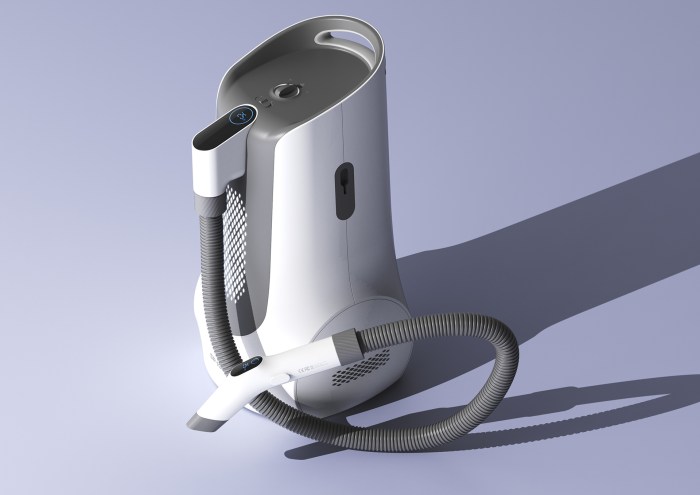
Japanese aesthetics, particularly when applied to pet dryers, often lean on a carefully curated color palette that subtly conveys a sense of serenity and harmony. This meticulous approach reflects deeply ingrained cultural values, drawing on symbolism associated with natural elements and traditional artistic sensibilities. The choice of color significantly influences the emotional response and overall experience associated with these specialized appliances.The color choices in Japanese pet dryers aren’t arbitrary; they are carefully selected to evoke a sense of peace and tranquility, mirroring the broader Japanese design ethos that emphasizes simplicity, balance, and natural beauty.
These considerations are not only aesthetic but also reflect a deep respect for the well-being of both the pet and the user.
Frequently Used Colors
The color palette for Japanese pet dryers frequently includes a range of soothing hues. These selections are not random but carefully considered to align with traditional Japanese aesthetics and symbolism. A nuanced understanding of these choices enhances the appreciation for the thoughtful design elements.
- White: Represents purity, cleanliness, and new beginnings. Often associated with simplicity and a sense of calm, white evokes a sense of freshness and cleanliness ideal for pet care. A white pet dryer might be paired with accents of another color, creating a sense of understated elegance.
- Beige/Cream: These neutral tones evoke a sense of warmth and comfort, often associated with natural materials and a connection to the earth. They can create a serene and welcoming atmosphere, suitable for a variety of pet types and grooming styles.
- Light Green: Evokes the natural beauty of foliage and tranquility. It can symbolize growth, harmony, and renewal, creating a peaceful and nurturing environment for both pet and owner.
- Light Blue: Associated with serenity, calmness, and tranquility. It can create a soothing and relaxing atmosphere, especially important in a setting dedicated to pet care and grooming.
- Gray: A versatile color that often evokes a sense of sophistication, balance, and neutrality. It can create a subtle and understated elegance, especially when paired with other calming colors.
Color Symbolism in Japanese Culture
Japanese culture has rich symbolic associations with colors. These associations deeply influence design choices, extending beyond simple aesthetics to convey deeper meanings.
- Red (Beni): While not as common in pet dryer designs, red in Japanese culture often symbolizes luck, happiness, and good fortune. A subtle hint of red might be used as an accent to bring a sense of vibrancy to the dryer’s overall design.
- Gold (Kin): Gold often symbolizes wealth, prosperity, and luxury. Its presence in the design might be limited to small accents, highlighting the quality of materials and craftsmanship without overwhelming the serene aesthetic.
- Black (Kuro): Often associated with sophistication, elegance, and formality, black in pet dryer design might be employed for accents or to highlight specific features, maintaining a sense of balance and sophistication.
Influence on Mood and Feeling
The careful selection of colors significantly impacts the overall mood and feeling of the dryer. A palette dominated by light, natural hues creates a serene and relaxing atmosphere, conducive to a positive grooming experience for both the pet and owner. Conversely, a palette that leans toward darker, bolder colors might create a different impression, potentially emphasizing a more sophisticated or luxurious aesthetic.
Color Palette and Psychological Effects
| Color Palette | Potential Psychological Effects |
|---|---|
| White, Beige, Light Green, Light Blue | Serene, calming, relaxing, clean, fresh |
| Gray | Sophisticated, balanced, neutral, understated |
| Subtle Hints of Red/Gold | Adding vibrancy, luck, and sophistication |
Patterns and Decoration
Japanese design, deeply rooted in cultural and philosophical traditions, often employs intricate patterns to convey meaning and enhance the visual appeal of objects. This meticulous attention to detail extends to pet dryers, reflecting a commitment to aesthetics that goes beyond functionality. The patterns employed in these dryers often evoke natural imagery and spiritual concepts, contributing to a holistic experience that transcends the practical.Japanese aesthetics, often characterized by a sense of harmony and balance, manifest in the careful selection and application of patterns.
These patterns, far from being mere embellishments, contribute significantly to the overall visual appeal and symbolic meaning of the pet dryer. Natural motifs, particularly those referencing nature’s rhythms and cycles, are frequently employed, lending a sense of tranquility and connection to the surrounding environment.
Common Patterns and Symbolism
Japanese design frequently incorporates a range of patterns, each with its own rich symbolism. These patterns, carefully selected and executed, convey a specific meaning or emotion. From the subtle to the elaborate, these patterns contribute to the visual richness and cultural depth of the pet dryer.
- Floral Patterns: Flowers, particularly cherry blossoms, chrysanthemums, and peonies, symbolize beauty, fleeting nature, and the cyclical renewal of life. These motifs, often rendered with meticulous detail, bring a sense of elegance and grace to the design. The use of specific flower types can reflect different occasions or meanings.
- Bamboo Patterns: Representing strength, resilience, and adaptability, bamboo patterns evoke images of natural growth and enduring strength. The vertical lines of bamboo can create a sense of harmony and balance within the dryer’s design. The elegant and slender form of bamboo is frequently incorporated into pet dryer designs to emphasize its inherent qualities.
- Wave Patterns: Inspired by the ceaseless flow of nature, wave patterns symbolize change, transformation, and the interconnectedness of all things. The fluidity of the waves can create a sense of serenity and movement within the dryer’s design, adding dynamism to the overall aesthetic.
- Geometric Patterns: Geometric patterns, often incorporating circles, squares, and triangles, represent harmony, balance, and order. These patterns can add a sense of structure and sophistication to the design, reflecting a commitment to precision and aesthetic balance. The precise geometry can emphasize the craftsmanship and care taken in creating the pet dryer.
Natural Motifs and Impact
Natural motifs, drawn from the rich tapestry of Japanese nature, play a significant role in shaping the pet dryer’s aesthetic. These motifs, often delicate and intricate, connect the dryer to the natural world, invoking a sense of tranquility and harmony. The use of natural motifs enhances the visual appeal and emotional resonance of the design.
- Leaves: Leaf patterns, particularly those of maple or oak leaves, symbolize growth, renewal, and prosperity. Their intricate details contribute to the visual appeal, adding texture and complexity to the design.
- Branches: Branch patterns, often incorporated into the design, represent strength, longevity, and connection to nature. Their presence in the dryer can create a sense of groundedness and resilience.
- Mountains: Mountain motifs evoke a sense of stability, permanence, and the grandeur of nature. The presence of mountains can add a sense of calm and tranquility to the dryer’s design, anchoring it in a natural context.
Pattern Organization
The following table summarizes common patterns and their associated meanings within the Japanese pet dryer aesthetic.
| Pattern | Symbolism | Visual Impact |
|---|---|---|
| Floral (Cherry Blossoms, Chrysanthemums) | Beauty, fleeting nature, renewal | Elegance, grace, delicate detail |
| Bamboo | Strength, resilience, adaptability | Harmony, balance, natural growth |
| Waves | Change, transformation, interconnectedness | Serenity, movement, dynamism |
| Geometric (Circles, Squares, Triangles) | Harmony, balance, order | Structure, sophistication, precision |
| Leaves (Maple, Oak) | Growth, renewal, prosperity | Texture, complexity, visual appeal |
| Branches | Strength, longevity, connection to nature | Groundedness, resilience |
| Mountains | Stability, permanence, grandeur of nature | Calm, tranquility, natural context |
Functional Design
Japanese pet dryers, imbued with a deep-rooted aesthetic sensibility, prioritize functionality seamlessly integrated with their visual appeal. This harmonious blend of form and function reflects a meticulous attention to detail, ensuring both a positive user experience and lasting value. The dryers’ practical design elements are not mere add-ons but integral components of the overall aesthetic, demonstrating a sophisticated understanding of user needs.The functional design of these dryers prioritizes both the safety and comfort of the pet.
This is achieved through careful engineering, which balances the powerful drying capabilities with gentle airflow to prevent overheating and discomfort. The design also accounts for the varying needs of different pet breeds and sizes. This adaptability is a crucial aspect of the dryer’s practical use and contributes to the overall harmonious aesthetic.
Ease of Use
The dryers’ intuitive controls and ergonomic design contribute significantly to ease of use. Large, clear displays, strategically positioned controls, and a lightweight, yet sturdy construction, allow for effortless operation. The user interface is designed to minimize the learning curve, making the dryers accessible to a wide range of users. This prioritization of ease of use aligns perfectly with the overall aesthetic principles of simplicity and elegance.
Maintenance and Durability
These dryers are meticulously engineered for durability and ease of maintenance. High-quality materials, coupled with a well-thought-out design, ensure longevity. Removable and washable components facilitate cleaning, reducing maintenance efforts. This dedication to practicality complements the aesthetic appeal, demonstrating a commitment to both beauty and utility.
Enhanced Functionality Features
- Adjustable Airflow: Varied settings for airflow intensity allow for personalized drying experiences, adapting to the specific needs of different pets. This personalized approach contributes to a better user experience, which is a core tenet of Japanese design principles.
- Multiple Heat Settings: Different heat settings, from low to high, enable precise temperature control, preventing potential overheating and discomfort. This meticulous control is crucial for pet safety and highlights the attention to detail in the design process.
- Timer Function: A built-in timer ensures precise drying time, preventing over-drying, which is a crucial aspect of pet care. This feature demonstrates the consideration for the well-being of the pet. A timer also ensures the user can complete other tasks while the dryer runs.
- Cool Shot Function: A cool-shot function is essential for gentle drying, especially for sensitive pets. This thoughtful addition prioritizes the well-being of the pet and exemplifies the meticulous care taken in the design process.
- Easy-to-Clean Components: Easily detachable and washable components significantly simplify maintenance and prolong the dryer’s lifespan. This commitment to practicality reflects the attention to detail in the design process.
Balance of Practicality and Beauty
The dryers effectively achieve a delicate balance between functionality and aesthetic appeal. The meticulous attention to detail in the engineering process ensures that the design elements are not just visually pleasing but also contribute to the dryer’s operational efficiency and ease of use. The use of high-quality materials, combined with thoughtful design choices, creates a product that is both beautiful and practical.
Inspiration and Influences
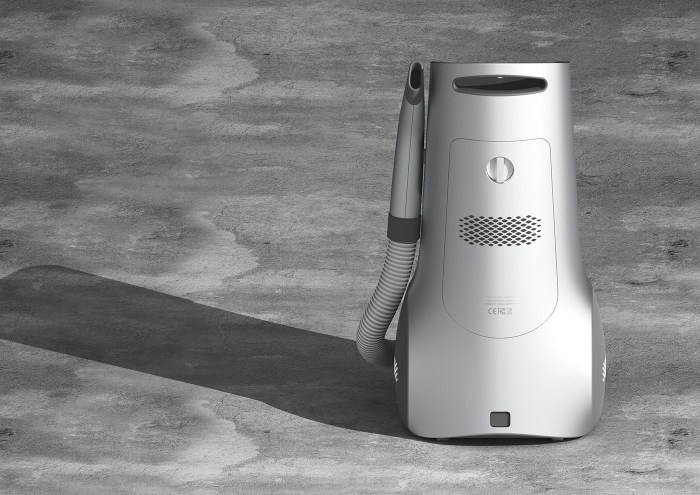
The design of a Japanese pet dryer draws heavily on centuries of artistic and cultural traditions. This aesthetic, aiming for harmony and balance, seeks to create a product that seamlessly integrates into a home environment while showcasing the rich history of Japanese design. The concept transcends simple functionality, aiming to offer a comforting and visually appealing experience for both pet and owner.
Sources of Inspiration
The Japanese pet dryer aesthetic is rooted in a deep respect for nature and a philosophy of minimalism. This approach influences the choice of materials, colors, and overall design language, creating a product that resonates with Japanese cultural values. Traditional Japanese art forms, such as the delicate brushstrokes of sumi-e painting and the meticulous craftsmanship of ikebana flower arrangements, provide a rich wellspring of inspiration.
Traditional Japanese Art Forms
The influence of traditional Japanese art forms is evident in the subtle elegance and refined details of the design. The use of natural materials, like bamboo and wood, mimics the organic forms found in nature. The harmonious color palettes, often inspired by the changing seasons, reflect the delicate beauty of Japanese landscapes. The meticulous attention to detail, reminiscent of traditional Japanese craftsmanship, is seen in the precise construction and assembly of the pet dryer.
This approach prioritizes both aesthetic appeal and functional efficiency.
Connection to Japanese Cultural Values and Beliefs
The Japanese pet dryer aesthetic embodies core Japanese cultural values, such as a deep respect for nature, a focus on minimalism, and a reverence for craftsmanship. The design often features serene and natural imagery, such as flowing water or delicate blossoms, reflecting the connection between humans and the natural world. The concept emphasizes simplicity and functionality, echoing the Japanese principle of “wabi-sabi,” which appreciates the beauty of imperfection and impermanence.
Inspiration Drawn from Nature
Nature serves as a crucial source of inspiration for the Japanese pet dryer aesthetic. The organic shapes and natural textures of bamboo, wood, and other natural materials are frequently incorporated. Color palettes often mimic the beauty of Japanese landscapes, drawing inspiration from the changing seasons, from the vibrant greens of spring to the muted tones of autumn. The gentle curves and flowing lines in the design echo the natural world, creating a calming and inviting atmosphere.
Sources of Inspiration – Bulleted List
- Traditional Japanese art forms: Sumi-e painting, Ikebana flower arrangement, and the aesthetic principles of wabi-sabi all inform the design’s delicate elegance and respect for imperfection. For example, the minimalist approach of sumi-e painting influences the simple, uncluttered design of the pet dryer.
- Japanese cultural values: Respect for nature, minimalism, and meticulous craftsmanship underpin the design choices, creating a product that resonates with the cultural ethos.
- Nature: The natural world provides inspiration for materials, color palettes, and design elements. The use of bamboo and wood exemplifies this, mimicking the organic forms found in nature.
Modern Interpretations
The Japanese pet dryer aesthetic, steeped in centuries of design principles, is undergoing a fascinating evolution. Modern interpretations are reimagining traditional elements, incorporating contemporary design sensibilities, and adapting to the evolving needs and preferences of pet owners. This adaptation ensures the enduring appeal of the aesthetic while embracing contemporary trends.Contemporary design elements are seamlessly integrated into the aesthetic, creating a harmonious blend of tradition and innovation.
This fusion is evident in the use of materials, the consideration of spatial requirements, and the approach to functional design. The key is to preserve the core principles while enhancing user experience.
Examples of Modern Interpretations
Modern interpretations of the Japanese pet dryer aesthetic leverage a range of materials, moving beyond traditional bamboo and wood. Aluminum, tempered glass, and even carbon fiber are employed for a sleek, contemporary feel, maintaining a sense of lightness and refinement. This expanded material palette offers a wider spectrum of aesthetic options, catering to diverse preferences. Consider the integration of sustainable materials like recycled plastics in the dryer’s construction, aligning with modern environmental consciousness.
This example highlights a growing focus on sustainability within the pet care industry.
Incorporation of Contemporary Design Elements
Contemporary design elements are integrated through streamlined silhouettes, minimal ornamentation, and the use of natural, muted color palettes. These elements maintain a connection to traditional aesthetics while embracing modern minimalism. Ergonomic design features, such as adjustable height settings and intuitive controls, enhance the user experience, aligning with modern ergonomic principles. This approach underscores the aesthetic’s ability to adapt to evolving user needs.
Evolution of the Aesthetic Over Time
The aesthetic’s evolution reflects a continuous interplay between tradition and innovation. Initial designs often prioritized functionality and durability, with a focus on the pet’s well-being. Later iterations incorporated a growing appreciation for aesthetics, blending traditional craftsmanship with contemporary design language. The evolution emphasizes the aesthetic’s enduring appeal and its capacity to adapt to shifting societal values and preferences.
Adaptation to Modern Needs and Preferences
The aesthetic adapts to modern needs and preferences by incorporating features like quieter operation, faster drying times, and specialized settings for various coat types. This reflects a commitment to providing a superior user experience for both the pet and owner. Modern features ensure that the aesthetic retains its appeal while meeting the demands of a modern lifestyle.
Retention of Core Principles While Adapting to Trends
Modern interpretations of the Japanese pet dryer aesthetic retain core principles of simplicity, functionality, and harmony with nature. Natural materials are still prominent, but are combined with modern materials to create a sophisticated and contemporary look. The focus remains on providing a gentle and effective drying experience, demonstrating a continued commitment to pet well-being. The core principles of the aesthetic ensure it remains relevant and adaptable to current trends without sacrificing its fundamental values.
Pet Dryer Accessories
Japanese pet dryers, celebrated for their meticulous design and focus on both functionality and aesthetics, benefit from a suite of carefully curated accessories. These additions elevate the overall experience, mirroring the attention to detail inherent in traditional Japanese craftsmanship and enhancing the user’s interaction with the appliance. The accessories are not merely functional; they are integral to the overall aesthetic, extending the harmony between the pet and the owner.Accessories for Japanese pet dryers often feature minimalist designs, employing natural materials, and highlighting clean lines.
This approach contributes to a serene and aesthetically pleasing experience. The meticulous craftsmanship evident in these accessories reinforces the overall quality and enduring nature of the pet dryer, further aligning with the Japanese emphasis on longevity and quality.
Common Accessories
The accessories for a Japanese pet dryer extend beyond the basic necessities, encompassing a range of items designed to enhance the experience. This thoughtful approach to supplementary equipment is central to the Japanese aesthetic, where every element contributes to a holistic and harmonious atmosphere.
- Specialized Drying Combs: These combs, often crafted from natural materials like bamboo or boar bristles, are designed for specific coat types and drying needs. The meticulous attention to detail in the comb’s design and material selection ensures both efficiency and gentle care for the pet’s coat. The smooth, natural texture of bamboo or the carefully calibrated bristles of boar hair are designed to reduce static and promote a healthy shine.
- Cooling Pads and Mats: Post-drying cooling pads and mats, often made from breathable fabrics like linen or cotton, provide a cooling and comfortable surface for the pet. These additions contribute to the overall calm and caretaking environment, aligning with the holistic approach of Japanese design. The natural breathability of linen or cotton is both functional and visually appealing.
- Storage Cases and Organizers: Elegant, compact storage cases and organizers are designed to keep accessories and the dryer itself neatly organized. These accessories maintain a clean, uncluttered aesthetic and reflect the Japanese appreciation for order and efficiency. Often, these organizers are made from high-quality materials such as wood or bamboo, adding to the overall visual appeal.
- Brush Sets: Dedicated brush sets for pre-drying and post-drying maintenance are essential. They often include a variety of brush types for specific tasks, further emphasizing the meticulous approach to pet care. These brushes are not only functional but are designed to complement the overall design language of the pet dryer, often using materials and shapes consistent with the dryer itself.
Material and Craftsmanship
The materials and craftsmanship of these accessories contribute significantly to the overall aesthetic. Natural materials, like bamboo, wood, and cotton, are favored for their inherent beauty and connection to nature. The high level of craftsmanship employed in their creation underscores the Japanese tradition of meticulous attention to detail and a commitment to quality.
- Natural Materials: Bamboo, wood, and cotton are commonly used for their visual appeal, sustainability, and inherent warmth. These materials reflect a deep appreciation for natural elements and contribute to a serene, calming aesthetic.
- Hand-Crafted Items: Many accessories are handcrafted, adding a unique character and value to each piece. The artisan touch elevates the accessory beyond a mere functional item and positions it as an artistic expression. The careful handwork is often visible in the details, such as the precise shaping of the brush bristles or the meticulous knotting of the storage case.
- Durability and Longevity: The materials and construction of these accessories are designed for longevity. This focus on lasting quality is consistent with the Japanese emphasis on value and enduring craftsmanship, reflecting a mindful and long-term approach to pet care.
Accessory Breakdown
This table Artikels common accessories, their descriptions, and the materials frequently used.
| Accessory Type | Description | Common Materials |
|---|---|---|
| Specialized Drying Combs | Designed for specific coat types and drying needs, often featuring natural bristles. | Bamboo, boar bristles, nylon |
| Cooling Pads and Mats | Provide a cooling and comfortable surface for pets post-drying. | Breathable fabrics (linen, cotton), cooling gel |
| Storage Cases and Organizers | Maintain a clean, uncluttered aesthetic for the dryer and accessories. | Wood, bamboo, high-quality fabric |
| Brush Sets | Dedicated brush sets for pre-drying and post-drying maintenance. | Natural bristles, nylon, synthetic materials |
Illustrative Examples
Japanese pet dryers, embodying a blend of functionality and aesthetic refinement, are increasingly sought after. These dryers showcase a unique approach to design, often incorporating traditional Japanese motifs and materials alongside modern technology. This section will delve into specific examples, highlighting the key features that contribute to their distinctive appeal.
Specific Examples of Japanese Pet Dryers
These examples represent a spectrum of styles and features, demonstrating the versatility and elegance inherent in Japanese pet dryer design. Each dryer embodies the aesthetic principles discussed earlier, emphasizing the integration of traditional Japanese elements with modern functionality.
Example 1: The “Bamboo Breeze” Pet Dryer
The “Bamboo Breeze” dryer features a sleek, minimalist design, utilizing a light, natural bamboo-like finish for the casing. The subtle, almost translucent bamboo pattern evokes a sense of natural serenity, while the smooth, curved lines add a touch of modern sophistication. Its interior is finished in a muted, warm beige, complementing the natural tones of the exterior. The dryer utilizes a low-noise, high-efficiency motor.
This embodiment of the Japanese aesthetic emphasizes simplicity and natural materials, appealing to pet owners who appreciate a subtle yet sophisticated design.
Example 2: The “Sakura Bloom” Pet Dryer
The “Sakura Bloom” dryer offers a more vibrant interpretation of the Japanese aesthetic. The casing is crafted from a smooth, matte porcelain-like material, accented with delicate, cherry blossom-inspired patterns in a soft pink and white color scheme. The dryer’s rounded edges and ergonomic design ensure comfort for both the pet and the handler. A powerful yet quiet motor ensures effective drying, while the soft, gentle air vents prevent overheating.
The design mirrors the beauty of the traditional Japanese cherry blossom, representing a playful and elegant approach to pet care.
Example 3: The “Zen Garden” Pet Dryer
The “Zen Garden” dryer is inspired by traditional Japanese gardens. The exterior features a muted, grey-green finish, mimicking the tones of polished stone and moss. Small, subtly raised patterns, reminiscent of raked gravel or sculpted landscapes, are incorporated into the surface design. The dryer’s internal components are concealed behind a smooth, minimalist façade, creating a tranquil and uncluttered visual experience.
The low-profile design and quiet operation create a soothing atmosphere, perfect for a spa-like grooming experience.
Summary Table of Pet Dryers
| Pet Dryer | Color Palette | Material | Design Features | Aesthetic Impression |
|---|---|---|---|---|
| Bamboo Breeze | Natural bamboo, beige | Bamboo-like finish | Sleek, minimalist, curved lines | Serene, sophisticated, natural |
| Sakura Bloom | Soft pink, white, cherry blossom patterns | Porcelain-like material | Rounded edges, ergonomic design | Playful, elegant, vibrant |
| Zen Garden | Muted grey-green, stone/moss patterns | Smooth, polished material | Low-profile, subtle patterns, minimalist | Tranquil, uncluttered, spa-like |
Outcome Summary
In conclusion, the Japanese pet dryer aesthetic represents a harmonious blend of practicality and artistry, reflecting deep cultural values and design principles. The meticulous craftsmanship, natural materials, and mindful spatial considerations create a truly unique experience. This aesthetic transcends mere utility, transforming the pet drying process into a moment of connection and appreciation for both the pet and the owner.
